
Be Part of our
Carbon Story
In 2023, Tropic became a signatory to Tourism Declares, an initiative that supports tourism organizations and individuals in declaring a climate emergency and taking purposeful action to reduce their carbon emissions as per the advice from The Intergovernmental Panel on Climate Change.
We continue to honor our commitment to hold ourselves accountable and to strive for greater impact in a rapidly changing world. This includes maintaining and improving our efforts in measurable certifications in our business operations. We have again been certified by Preferred by Nature for Sustainable Travel Activities, which validates our sustainable practices under the highest international standards.


In 2025, we achieved our three-year recertification, and we successfully passed the surveillance audit, reaching 100% compliance with the Preferred by Nature Standard for Sustainable Travel Activities. This achievement reflects our commitment to continuous improvement, environmental conservation, and the development of local communities.
Since 2024, we have been measuring the full carbon footprint of our offices and internal operations. We now fully mitigate our impact each year, making our internal operations carbon neutral through a verified carbon mitigation program as part of our sustainability strategy. Last year, Tropic’s three offices in Ecuador, Chile and Peru invested 3,787 USD in funds to mitigate 481 tons of carbon dioxide equivalent.
Now, together with Regenera, a B-Corp certified partner with over a decade of experience in climate action and nature-based solutions, we have developed a practical and transparent way to address the carbon footprint generated by the journeys we design for travelers. Based on an average assessment across our operations throughout our destinations, this translates into a contribution of USD 2 per traveler per day – a clear, simple and realistic reflection of impact.
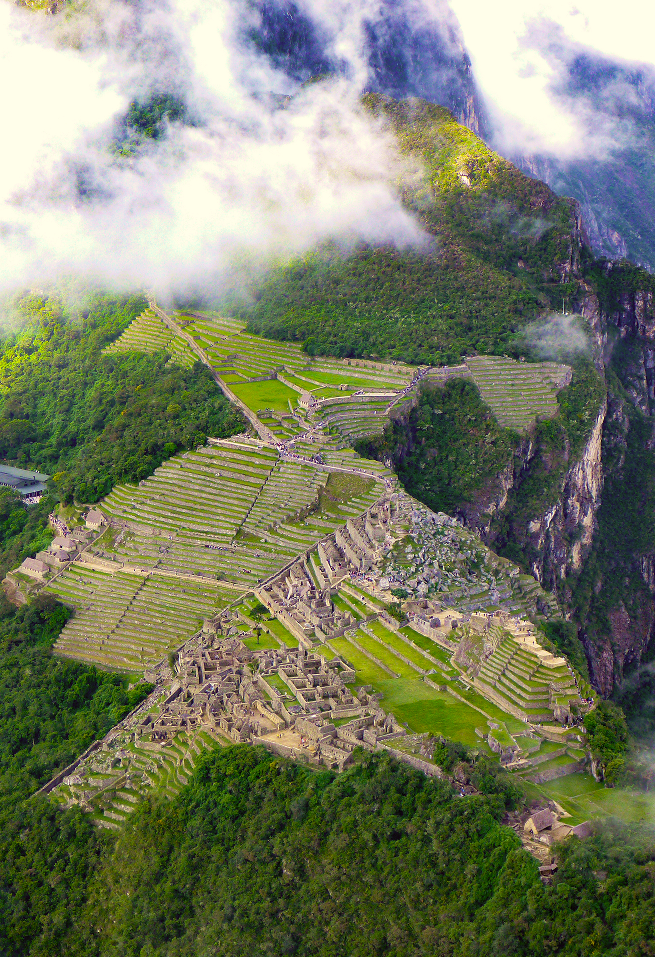
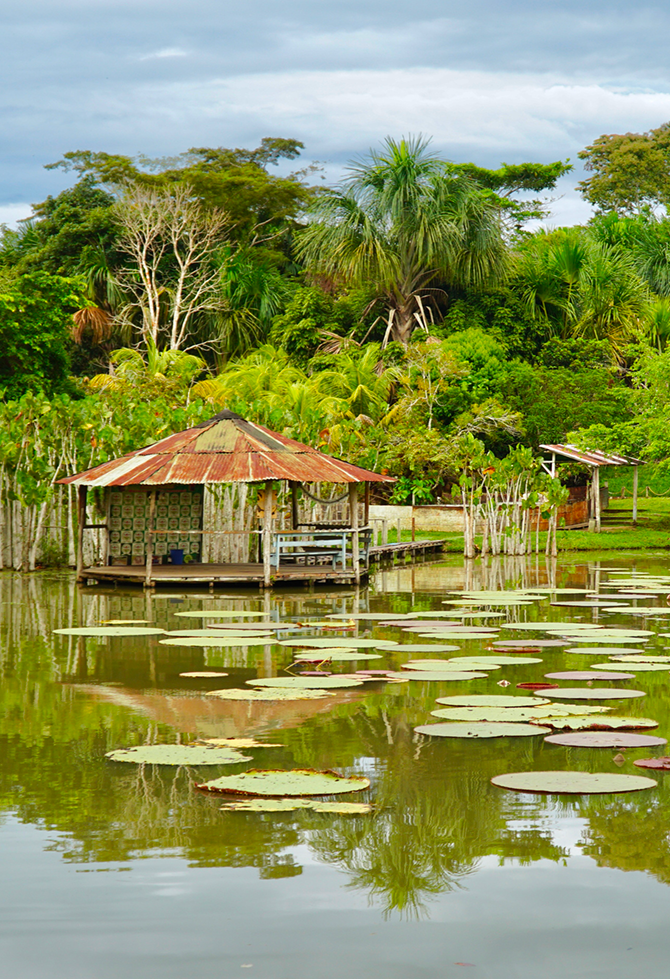
These funds go directly to the landscape of Machu Picchu and the forests of Requena in the Amazon. They help to conserve unique ecosystems, protect Amazonian biodiversity, and strengthen the communities that safeguard these territories.
We invite you and your travelers to do your part. We encourage you to include this carbon offsetting contribution by default in travelers’ journeys with Tropic.
We promise this contribution will always be transparent, always have a measurable impact, and travelers will always have the option to opt out. This approach allows your guests to meaningfully neutralize their journey’s footprint while collectively supporting climate and conservation initiatives that positively impact our destinations. As with so many things, a small contribution can create a big impact, and together we can further tourism sustainability by ensuring that these extraordinary landscapes may continue to inspire future generations.

FAQ
We have answered a few of the more common questions we have received about this program below:
Where do carbon offsetting funds go?
We want to make a positive impact in the landscapes where we operate. Currently, offsetting funds are funneled into partner communities within the Machu Picchu and Amazon landscapes. These communities then direct these funds toward conservation and community development programs. We’ll dig into that later in this FAQ.
These landscapes are not only beloved by locals and travelers – they are treasures shared by all of mankind. Preserving and protecting them is paramount.
What are the specific projects that the carbon offsetting funds are directed to?
In partnership with Regenera, a partner with over a decade of experience in climate action and nature-based solutions, we have identified opportunities to collaborate with local communities to mitigate the carbon footprint generated by the journeys we design. Traveler contributions to carbon offsetting go directly toward conserving two of the ecosystems that are experienced and enjoyed by our guests.
In Machu Picchu, we are working with two Andean Quechua communities who engage in a number of projects aligned with conservation. These projects are part of their “Plan de Vida,” or Life Plan, a proactive, long-term vision emphasizing collective well-being, education, ancestral knowledge, and sustainable management of natural resources to protect their territory from external pressures.
Regenera works with these communities to help support these life plans. In the case of Machu Picchu, this translates to reforestation and tree planting activities as well as the prevention of bush fires. The communities are also protecting a 670-hectare biodiverse montane forest. The carbon offsetting funds help with the marking/delineation of that forest, making it clear to members of the community and other nearby communities that it is a protected forest.
In the Amazon, conservation work is taking place in the Requena area – the headwaters of the Amazon. This landscape sits on the banks of the Ucayali River – one of the tributaries of the Amazon. There, Regenera works with seven Indigenous communities in the Requena watershed. Funds support a variety of conservation activities including patrols against illegal logging, a responsibility shared across the communities; sustainable fisheries management; and protecting forests directly through patrols and the removal of illegal loggers in the area. These activities were started by the local communities and the carbon funding contributes to maintaining and improving them, as well as scaling them across a larger area.
How was our traveler impact measured?
There are two sides to measuring climate impact – an organizational footprint and a visitor footprint. Regenera uses internationally recognized and widely accepted protocols (ISO 1464 for our organizational impact and ISO 1467 for traveler impact). To make a transparent and measurable model, we used our most important and popular tours as a baseline measurement to derive an average cost per traveler.
How is the success of these projects measured?
Locally developed community Life Plans are the key action plans that these funds support. Measurements include monitoring the size of ecosystems protected and restored, and tons of carbon that are contained in those ecosystems. These projects and areas are monitored on a continual basis and reported on monthly.
But I already offset – why should I opt in to your program and what makes it different?
There are myriad reasons to be a leader in offsetting with our program. First off is the chance to contribute positively to the beautiful places that your travelers are visiting. These are landscapes that belong to all mankind. This isn’t a contribution to a solar or wind farm in a far-off place; this is climate offsetting in the very places travelers want to spend time in and preserve. It is also supporting a resource that impacts the health of the earth – the Amazon rainforest.
On an average journey, a traveler’s contribution might run from 10 – 20 USD. 10 USD is the going rate to pay someone to do hard field work in these landscapes. When the community assigns a member to go on a patrol or prevent a fire – most communities are paying between 30-40 soles. So, a 10-day tour will be supporting someone’s wages on two days of patrols or to plant 60-80 trees. Each of these activities leads to positive ecosystem and social impacts – and provides tangible, visible and measurable impact.
Recognizing the value of these carbon reserves while giving money back to the stewards to reinvest according to their sustainability plans is a double win. Our partnership with Regenera means they are providing coaching to the communities protecting these landscapes, but ultimately it is the decision of these local communities on what projects they fund. We, along with Regenera, very much respect the decisions of the community land management partners.
Is it mandatory for travelers to join the carbon offset?
No, participation is not mandatory. We want to make the program easy for travelers to join but opting out is always an option.
Do travelers receive any proof or certificate for my contribution?
Yes! Travelers opting in to our carbon offsetting program will receive a certificate from Tropic and Regenera. Regenera’s 10 years working to conserve critical ecosystems with climate action and nature-based solutions has been done in a way that supports living landscapes management, led by the people who know their land best.
The certificate includes the passenger’s name and will also note in which ecosystem their funds will be deployed for conservation. It will confirm their participation in helping to protect and renew thousands of hectares of living landscapes in the Amazon and Andes.